Learn how to build effective SaaS budget control including spend audits, license optimization, and renewal negotiation in this complete guide.
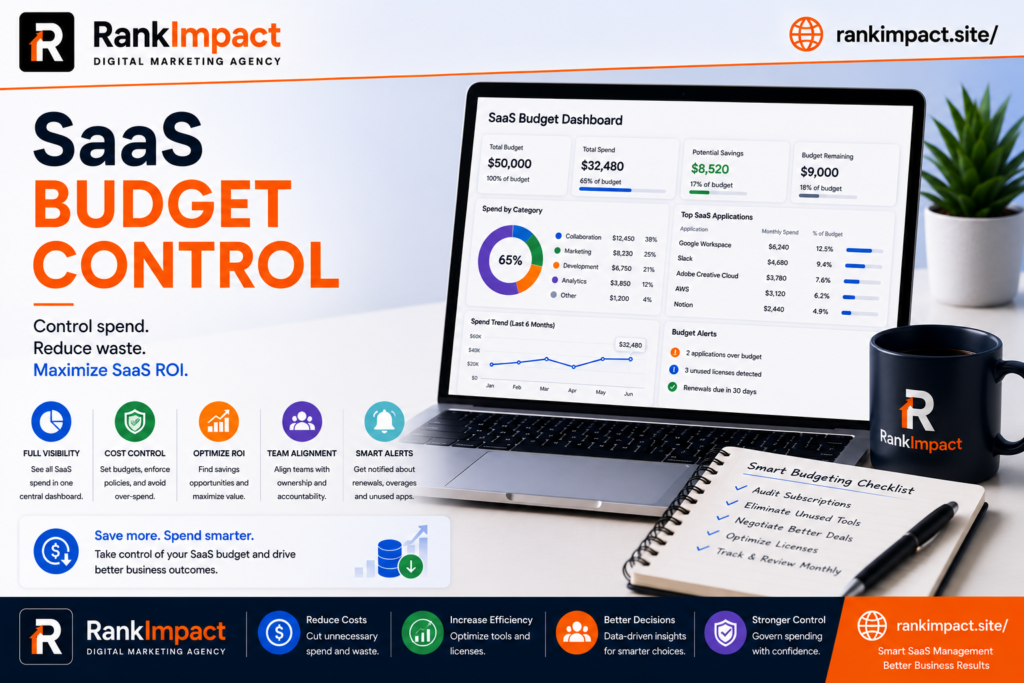
Table of Contents
SaaS Budget Control A Complete Guide to Managing Software Spend
Most companies discover a real SaaS budget control problem the same way. Someone in finance runs an audit ahead of a renewal cycle and finds a list of subscriptions nobody remembers approving, tools with a handful of active users despite being billed for hundreds of seats, and departments that each purchased a slightly different version of the same tool independently. This scenario has become common enough that SaaS budget control has shifted from a minor operational task into a genuine strategic priority for finance and operations leaders across companies of nearly every size.
This guide is written for finance leaders, operations managers, and IT decision makers who need a practical framework for controlling software spend without slowing down the teams that genuinely need those tools to do their jobs well. Readers researching this topic typically fall into a few groups. Some are finance leaders trying to build a formal process where none currently exists. Others are operations leads at a scaling company where tool sprawl has quietly gotten out of hand. And some are executives trying to understand why software spend keeps climbing faster than headcount. This article addresses all three by covering the strategic, procedural, and practical dimensions of SaaS budget control in depth.
Why SaaS Budget Control Has Become Genuinely Difficult
Software purchasing has become radically decentralized compared to a decade ago. A marketing manager can subscribe to a new tool with a company credit card in minutes, a sales team can adopt a trial that quietly becomes a paid subscription, and an engineering team can spin up infrastructure tools without ever routing the purchase through a formal procurement process. This decentralization has genuine benefits, since teams can adopt tools that solve immediate problems without waiting weeks for approval, but it also means software spend often grows without any single person maintaining a complete picture of what the company is actually paying for.
The subscription pricing model itself compounds this challenge. Unlike a large one time purchase that naturally triggers scrutiny, a recurring monthly charge of a modest amount rarely draws attention on its own, yet dozens of these smaller subscriptions accumulated across departments over several years can represent a genuinely significant portion of operating expenses that nobody has reviewed holistically. Many companies only discover the true scale of this spend when a finance team finally conducts a comprehensive audit, often revealing overlapping tools, unused licenses, and forgotten trials that quietly converted to paid plans.
What SaaS Budget Control Actually Means
SaaS budget control refers to the systems, processes, and oversight a company puts in place to track, manage, and optimize its software subscription spending across the entire organization. This extends well beyond simply approving new purchases and includes ongoing monitoring of usage, renewal timing, license allocation, and the relationship between what a company pays for a tool and the actual value that tool delivers to the teams using it.
Effective SaaS budget control requires visibility as its foundation. A company cannot control spend it cannot see clearly, which means building a complete inventory of active subscriptions, their cost, their renewal dates, and who within the organization actually uses them represents the essential first step before any meaningful optimization can happen. Many companies are surprised by how much this initial inventory process alone reveals about spend they had lost track of entirely.
Building a Complete Inventory of Software Spend
Creating an accurate inventory starts with pulling data from every possible source rather than relying on a single system that likely misses a meaningful portion of actual spend. Corporate credit card statements often reveal subscriptions purchased outside any formal procurement process, while accounting software categorization can help identify recurring software charges that might otherwise blend into broader expense categories without specific attention.
Cross referencing this financial data against actual usage data from single sign on logs or the tools themselves reveals a critical second dimension beyond simple cost, namely whether a subscription is genuinely being used at the level it is being paid for. A tool billed for fifty seats but showing regular activity from only twelve users represents a clear and immediately actionable opportunity, and this kind of usage versus cost mismatch tends to be far more common than most finance leaders initially expect once they actually look.
Engaging directly with department heads during this inventory process adds essential context that financial data alone cannot provide. A tool showing low login frequency might still be critical for a specific quarterly process that happens infrequently, and understanding this kind of nuance prevents a well intentioned cost cutting effort from accidentally removing a tool a team genuinely depends on for something not reflected in daily usage patterns.
Establishing Clear Approval Workflows for New Purchases
Once a company understands its current spend, preventing the same sprawl from recurring requires a deliberate approval process for new subscriptions going forward. The most effective approval workflows balance genuine oversight against speed, since a process so slow or bureaucratic that teams route around it entirely defeats its own purpose and simply pushes spending back into the shadows it was designed to eliminate.
A practical approach involves setting a clear spending threshold below which team leads can approve new tools independently, while purchases above that threshold require a brief review confirming the tool does not significantly overlap with something the company already pays for. This threshold should be calibrated to the company’s actual size and risk tolerance rather than copied directly from another company’s process, since what represents meaningful oversight for a small team can feel like unnecessary friction for a larger organization with more established purchasing patterns.
Requiring a documented business justification, even briefly, for purchases above the threshold creates a natural moment for reflection that often surfaces redundancy before a purchase happens rather than after, which is considerably easier to prevent than to unwind once a team has built workflows around a new tool.
Reducing Redundant and Overlapping Tools
Tool redundancy accumulates gradually and often invisibly as different departments solve similar problems independently over time without full awareness of what other teams are already using. A marketing team might adopt a project management tool entirely separate from the one engineering already uses, or two departments might each purchase a similar analytics platform because neither was aware the other had already solved a nearly identical need.
Conducting a structured redundancy review, ideally on an annual basis, involves mapping tools by function rather than by department, which often reveals overlap that would remain hidden if reviewed purely through a departmental lens. When redundancy is identified, consolidating onto a single tool typically requires careful change management rather than simply mandating a switch, since the team currently on the tool being phased out will need genuine support transitioning workflows and data without significant disruption to their ongoing work.
Standardizing on approved tools within specific categories, communicated clearly to teams before they go searching for a new solution independently, prevents a meaningful amount of redundancy from forming in the first place. A simple internal resource listing company approved tools by function, kept current and easily accessible, meaningfully reduces the likelihood of a team purchasing something that substantially duplicates an existing subscription.
Optimizing License Allocation and Seat Usage
Even after eliminating genuinely redundant tools, most companies still overpay significantly for licenses within tools they genuinely need due to seat allocation that does not match actual usage. Regularly reviewing active user counts against purchased seats across every subscription surfaces immediate opportunities to downgrade plan tiers or remove inactive licenses without losing any functionality the company actually relies on.
Automating this review where possible, through tools specifically designed to track SaaS usage patterns, removes the dependency on someone remembering to manually audit dozens of subscriptions on a regular schedule, which in practice tends to happen inconsistently at best without dedicated tooling supporting the process.
Offboarding processes deserve particular attention within this context, since departing employees frequently retain active licenses across multiple tools for weeks or months after leaving simply because deprovisioning access was not built into a formal offboarding checklist. Integrating license removal directly into the standard offboarding workflow, rather than treating it as a separate manual task that IT remembers only sporadically, closes a gap that quietly costs many companies a meaningful amount over the course of a year.
Negotiating Renewals Strategically
Renewal timing represents one of the most underutilized opportunities within SaaS budget control, since many companies allow subscriptions to auto renew without any negotiation simply because tracking every individual renewal date across dozens of tools feels administratively burdensome. Building a renewal calendar that flags upcoming contracts at least sixty to ninety days before their renewal date creates the lead time needed to genuinely negotiate rather than accepting whatever terms a vendor’s default renewal presents.
Approaching a renewal conversation armed with actual usage data strengthens a company’s negotiating position considerably, since a vendor is far more likely to offer meaningful concessions when a customer can demonstrate genuine intent to right size or reconsider the relationship rather than appearing to renew automatically regardless of the terms offered.
Multi year contracts can offer meaningful discounts but should be weighed carefully against the flexibility a company loses by committing further into the future, particularly for tools in categories where the competitive landscape is evolving quickly and a better alternative might emerge before a long commitment period ends.
Common Mistakes Companies Make With SaaS Budget Control
One of the most frequent mistakes is treating a spend audit as a one time project rather than an ongoing discipline, conducting a thorough review once and then allowing the same sprawl that prompted the original audit to gradually reaccumulate over the following year without any regular follow up process in place.
Overcorrecting toward excessive restriction represents an opposite but equally damaging mistake, where a company responds to discovering wasted spend by implementing such a slow or bureaucratic approval process that teams begin purchasing tools outside official channels again simply to avoid the friction, recreating the exact visibility problem the new process was meant to solve.
Many companies also focus exclusively on cost while ignoring the value a tool genuinely delivers, cutting a subscription based purely on its price without adequately weighing the productivity or revenue impact losing that tool would actually have on the team using it. Effective SaaS budget control requires evaluating cost against genuine business value rather than treating every reduction in spend as an unambiguous win regardless of what is lost.
Failing to involve the actual users of a tool in decisions about its future frequently backfires as well, since finance or operations teams making unilateral decisions based purely on usage data often miss important context that only the team actually using the tool day to day can provide about why that usage pattern looks the way it does.
Building a Sustainable SaaS Budget Control Process
The companies that manage software spend most effectively treat SaaS budget control as a continuous, cross functional discipline rather than an occasional cost cutting exercise triggered only when spend becomes visibly alarming. This typically means assigning clear ownership, whether to a dedicated finance operations role or a rotating cross departmental committee, responsible for maintaining the software inventory, monitoring usage trends, and managing the renewal calendar on an ongoing basis rather than reactively.
Establishing a regular cadence, such as a quarterly review meeting bringing together finance and key department leads, keeps SaaS budget control embedded in normal operating rhythm rather than becoming a forgotten process that only resurfaces when a particularly large invoice draws unwanted attention. This consistency ultimately matters more than any individual tactic, since the discipline of ongoing review is what prevents the same expensive sprawl from quietly rebuilding itself year after year.
Frequently Asked Questions
What is SaaS budget control?
SaaS budget control refers to the systems and processes a company uses to track, manage, and optimize its software subscription spending, including visibility into active tools, usage monitoring, and renewal management across the organization.
How do companies typically lose control of SaaS spending?
Companies typically lose control through decentralized purchasing where individual teams subscribe to tools independently, combined with small recurring charges that rarely draw scrutiny compared to larger one time purchases.
What is the first step in establishing SaaS budget control?
The first step is building a complete inventory of active subscriptions by cross referencing credit card statements, accounting records, and single sign on logs to understand both what is being paid for and what is actually being used.
How often should a company review its SaaS budget control process?
Most effective programs conduct a quarterly review alongside a more comprehensive annual audit, keeping oversight consistent rather than only reviewing spend when a problem becomes obviously visible.
Should small companies worry about SaaS budget control?
Yes, since tool sprawl and unused licenses accumulate proportionally even in smaller organizations, and establishing good habits early prevents a much larger and more difficult cleanup as the company scales.
How can a company reduce redundant software tools?
Conducting a structured review that maps tools by function rather than department typically reveals overlap, followed by careful change management to consolidate onto a single approved tool per category.
What role does offboarding play in SaaS budget control?
Offboarding plays a significant role since departing employees often retain active licenses for weeks or months if license removal is not built directly into the standard offboarding checklist.
How far in advance should renewal negotiations begin?
Most successful negotiations begin sixty to ninety days before a contract renewal date, providing enough lead time to gather usage data and negotiate meaningfully rather than accepting default renewal terms.
What is the biggest mistake companies make with SaaS budget control?
The biggest mistake is treating a spend audit as a one time project rather than an ongoing discipline, which allows the same tool sprawl that prompted the original review to gradually reaccumulate.
Does SaaS budget control mean cutting every underused tool?
No, effective SaaS budget control weighs actual business value against cost rather than automatically cutting every tool with lower usage, since some tools remain genuinely important despite infrequent activity.
Conclusion
SaaS budget control has become an essential discipline for companies of nearly every size as software purchasing has grown increasingly decentralized and subscription costs have quietly accumulated across departments. Building genuine visibility into active spend, establishing approval workflows that balance oversight against speed, and treating renewal negotiation and license optimization as ongoing priorities rather than occasional projects together form the foundation of a program that genuinely controls costs without slowing down the teams that depend on these tools daily. Companies that build this as a continuous discipline, with clear ownership and a regular review cadence, consistently avoid the expensive sprawl that catches so many organizations off guard during their first comprehensive audit.
Key Takeaways
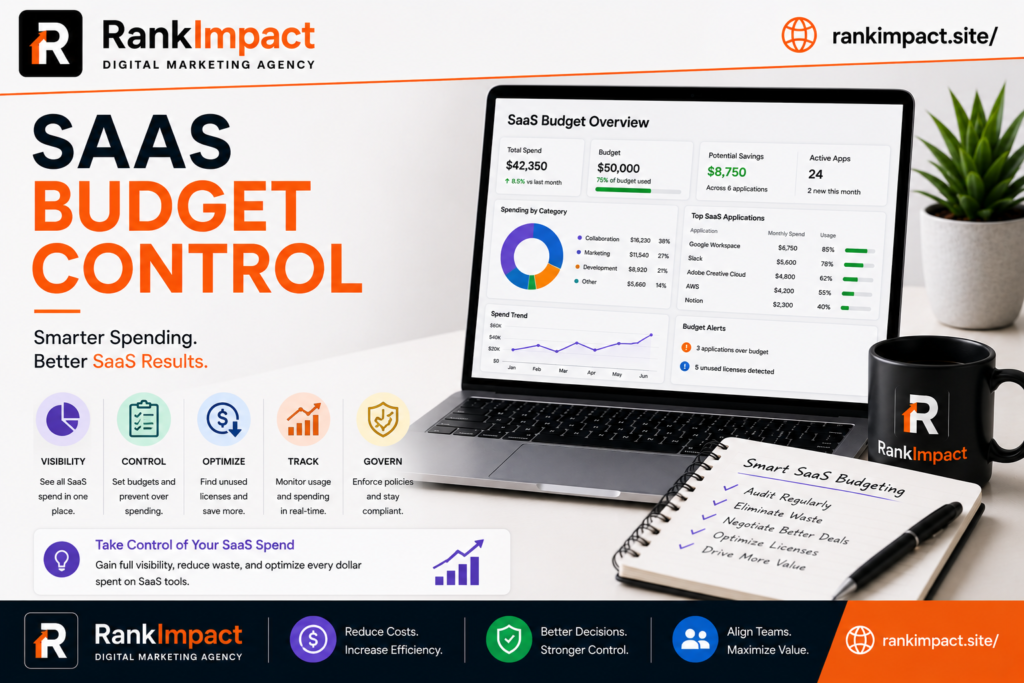
SaaS budget control requires building complete visibility into active software spend before any meaningful optimization becomes possible. Decentralized purchasing and small recurring charges are the primary reasons software spend grows without adequate oversight in most companies. Regular reviews of license allocation and usage data frequently reveal significant opportunities to downgrade or eliminate unused seats. Renewal negotiations conducted sixty to ninety days in advance, backed by genuine usage data, produce considerably better outcomes than passive auto renewal. Treating SaaS budget control as an ongoing discipline with clear ownership, rather than a one time audit, prevents the same costly sprawl from quietly rebuilding over time.