Learn what SaaS security really involves, how to evaluate vendors, avoid common mistakes and build a strong security program in this complete guide.
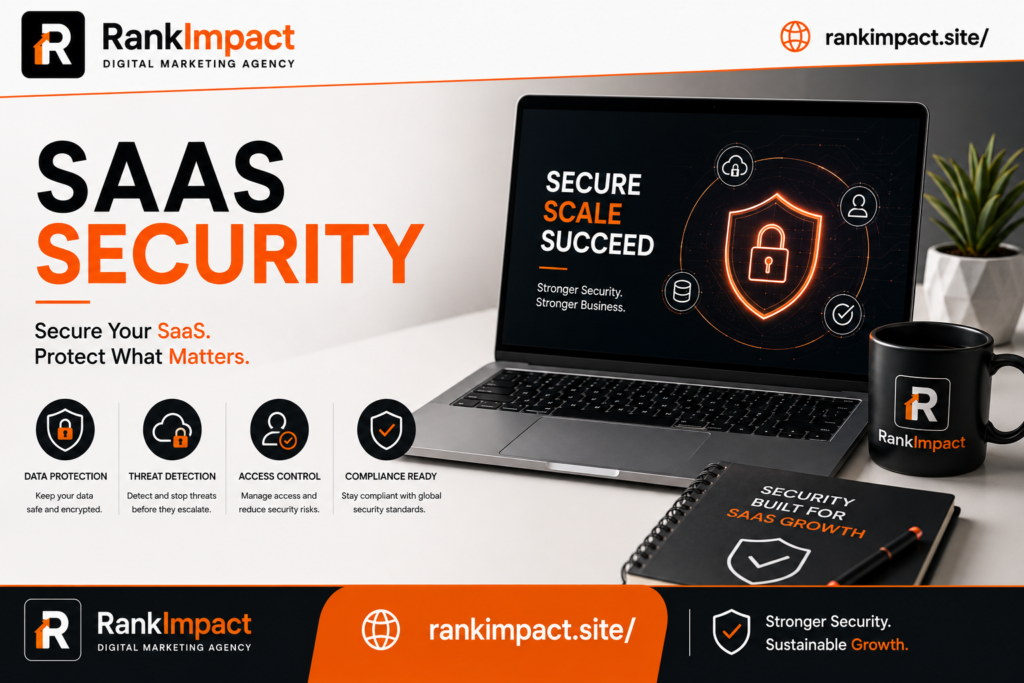
Table of Contents
SaaS Security A Complete Guide to Protecting Your Cloud Applications
Every SaaS company eventually reaches a point where a customer, investor, or compliance auditor asks a pointed question about how data is protected. That moment is often the first time a growing company realizes that SaaS security is not a single feature to bolt on but an ongoing discipline that touches engineering, operations, legal, and customer trust simultaneously. As more business critical workflows move to cloud based software, buyers have grown far more sophisticated about evaluating the security posture of the tools they adopt, and companies that treat security as an afterthought increasingly lose deals to competitors who can answer security questions with confidence.
This guide is written for founders, security leads, and product teams at SaaS companies who need a practical understanding of what SaaS security actually involves, not a vague overview repeating industry buzzwords. Readers researching this topic typically fall into a few groups. Some are early stage founders trying to understand what security investments matter before their first enterprise sale. Others are security or engineering leaders building out a formal program and looking for a structured checklist. And some are buyers evaluating a SaaS vendor and trying to understand what questions actually matter. This article addresses all three by covering the technical, procedural, and compliance dimensions of SaaS security in depth.
What SaaS Security Actually Covers
SaaS security refers to the practices, tools, and policies used to protect data, infrastructure, and user access within a cloud delivered software application. Unlike traditional on premise software where a company controls its own servers and network perimeter, SaaS security operates in a shared responsibility model. The cloud infrastructure provider, such as a major cloud platform, secures the underlying physical infrastructure, while the SaaS vendor is responsible for securing the application itself, its configuration, and how customer data is handled within it. Understanding where that line sits is one of the most common points of confusion for teams new to this space.
This shared model means SaaS security spans several interconnected areas including identity and access management, data encryption, application security, infrastructure configuration, incident response, and regulatory compliance. A weakness in any one of these areas can undermine the others, which is why mature SaaS security programs treat these as one integrated system rather than isolated checkboxes.
Why SaaS Security Has Become a Board Level Priority
A decade ago security was frequently treated as a cost center that companies invested in reluctantly. That has shifted dramatically as high profile breaches at well known SaaS companies demonstrated how quickly customer trust and revenue can evaporate after an incident. Enterprise buyers now routinely require a completed security questionnaire, a SOC 2 report, or evidence of specific controls before signing a contract, which means weak security posture directly blocks revenue rather than simply representing abstract risk.
Regulatory pressure has intensified this shift further. Depending on the industries a SaaS company serves, frameworks such as GDPR, HIPAA, or various state level privacy laws impose specific legal obligations around how customer data is stored, processed, and disclosed in the event of a breach. Non compliance can result in significant fines and reputational damage that far exceeds the cost of building proper controls from the start.
Investors have also grown more security conscious during due diligence, particularly at growth stage and later funding rounds, where a security assessment increasingly forms part of the standard diligence process alongside financial and legal review. Companies that can point to a documented and mature security program often move through diligence faster and with fewer downstream conditions attached to the deal.
Core Pillars of a Strong SaaS Security Program
Identity and access management sits at the foundation of most SaaS security programs because the majority of breaches originate from compromised credentials rather than sophisticated technical exploits. Implementing single sign on, enforcing multi factor authentication, and applying the principle of least privilege so that employees and integrations only access the data strictly necessary for their role dramatically reduces the attack surface available to an intruder.
Data encryption protects information both at rest and in transit. Encrypting data at rest ensures that even if underlying storage is somehow accessed inappropriately, the data itself remains unreadable without the proper decryption keys. Encrypting data in transit using current TLS standards prevents interception as data moves between a user’s browser and your servers or between internal services. Key management practices, including how encryption keys are rotated and who has access to them, deserve just as much attention as the encryption itself since poorly managed keys undermine even strong encryption algorithms.
Application security involves building security considerations directly into the software development lifecycle rather than testing for vulnerabilities only after code ships. This includes secure code review practices, automated static and dynamic application security testing, dependency scanning to catch vulnerable third party libraries, and regular penetration testing conducted by qualified external firms. Companies that treat application security as a continuous process embedded in engineering workflows consistently catch far more issues than those relying solely on periodic external audits.
Infrastructure security covers how cloud environments are configured, including network segmentation, firewall rules, and monitoring for misconfigurations that could expose data unintentionally. Cloud misconfiguration remains one of the leading causes of data exposure incidents, often stemming from a storage bucket or database left accessible without proper access controls rather than a sophisticated attack.
Incident response planning ensures a company can react quickly and effectively when something does go wrong. This includes having a documented response plan, clearly assigned roles during an incident, and a tested communication process for notifying affected customers and regulators within legally required timeframes. Companies that only think through incident response after an actual breach occurs consistently respond slower and less effectively than those with a rehearsed plan.
Common SaaS Security Mistakes Companies Make
One of the most frequent mistakes is treating security as a project with a defined end date rather than an ongoing operational discipline. Companies sometimes complete a security audit, address the findings, and then let practices lapse until the next audit cycle, creating a pattern of reactive rather than continuous improvement.
Overprivileged access is another persistent problem, particularly as companies scale and employees change roles without their access permissions being updated accordingly. Regular access reviews that verify each employee and integration only retains the permissions they currently need prevent this kind of privilege creep from accumulating unnoticed over time.
Many companies also underinvest in vendor and third party risk management. A SaaS product often integrates with numerous third party services and subprocessors, and a security weakness in any of those dependencies can expose your customers’ data even if your own systems are well protected. Maintaining an inventory of third party integrations along with periodic review of their security posture closes a gap that attackers increasingly target directly.
Delayed patching represents a surprisingly common vulnerability given how well understood the risk is. Known vulnerabilities in dependencies or infrastructure components that remain unpatched for extended periods provide an easy entry point for attackers using automated scanning tools that specifically search for outdated and exploitable software versions.
Finally, many early stage companies delay pursuing formal compliance certifications like SOC 2 until an enterprise deal specifically requires it, which often means scrambling to build controls retroactively under deadline pressure rather than establishing them as standard practice from the beginning. Starting the compliance journey earlier, even informally, tends to produce a more mature and defensible security posture over time.
How to Evaluate the Security of a SaaS Vendor
Buyers evaluating a SaaS vendor should request specific evidence rather than accepting vague assurances about security being a top priority. A current SOC 2 Type II report or equivalent independent audit provides concrete evidence that controls have been tested over time rather than simply documented on paper. Asking directly about data encryption practices, where data is physically stored, and what subprocessors have access to customer data gives buyers a clearer picture of actual data handling than marketing materials typically provide.
Understanding a vendor’s incident response history and communication practices matters as well. Asking how a vendor has handled past security incidents, even minor ones, reveals more about their operational maturity than asking whether they have ever experienced a breach. Companies with mature programs tend to be transparent about past incidents and the specific improvements made afterward.
Reviewing a vendor’s data deletion and retention policies is particularly important for companies operating under strict regulatory requirements, since understanding exactly what happens to your data if you cancel a subscription, and how quickly it is permanently deleted, prevents unpleasant surprises later.
Compliance Frameworks Relevant to SaaS Companies
SOC 2 has become something close to a baseline expectation for SaaS companies selling to enterprise customers in the United States, evaluating controls across security, availability, processing integrity, confidentiality, and privacy depending on which trust service criteria a company chooses to include in its audit scope.
ISO 27001 serves a similar purpose internationally and is often specifically requested by customers based outside the United States, providing a globally recognized framework for information security management systems.
GDPR applies to any company processing personal data of individuals within the European Union regardless of where the company itself is based, imposing specific requirements around consent, data subject rights, and breach notification timelines that differ meaningfully from United States regulatory approaches.
HIPAA compliance becomes relevant specifically for SaaS companies handling protected health information within the United States healthcare system, requiring specific technical and administrative safeguards along with signed business associate agreements with covered entities.
Choosing which frameworks to pursue should be driven directly by the industries and geographies a company sells into rather than pursuing every available certification simultaneously, since compliance work represents real ongoing resource investment that should be prioritized strategically.
Building a Security Aware Culture Across Your Company
Technical controls alone cannot fully protect a SaaS company if employees are not equally security conscious in their daily behavior. Regular security awareness training that goes beyond a single onboarding session and includes periodic phishing simulations helps employees recognize social engineering attempts, which remain one of the most common ways attackers gain initial access to otherwise well protected systems.
Making security a visible priority from leadership downward, rather than treating it purely as an engineering or IT concern, encourages employees across sales, customer support, and other departments to flag suspicious activity rather than assuming security is someone else’s responsibility entirely. Companies that successfully build this kind of shared ownership consistently detect and respond to potential issues faster than those where security remains siloed within a single team.
The Future of SaaS Security
Artificial intelligence is increasingly being used both offensively and defensively within the SaaS security landscape, with attackers using AI to craft more convincing phishing content while security teams use similar technology to detect anomalous behavior patterns across large volumes of user activity that would be impossible to review manually. Companies evaluating security tooling should expect this trend to accelerate and should ask vendors specifically how AI is being used within their own detection and monitoring systems.
Zero trust architecture continues gaining adoption as the standard approach to modern SaaS security, moving away from the older assumption that anything inside a network perimeter can be trusted by default, and instead requiring continuous verification of every user and device attempting to access resources regardless of their network location.
Frequently Asked Questions
What is SaaS security in simple terms?
SaaS security refers to the practices and tools used to protect data, user access, and infrastructure within cloud based software applications, covering areas like encryption, identity management, and compliance.
Who is responsible for security in a SaaS shared responsibility model?
Cloud infrastructure providers secure the underlying physical infrastructure, while SaaS vendors are responsible for securing the application itself, its configuration, and how customer data is handled within it.
Why do enterprise buyers require SOC 2 reports from SaaS vendors?
A SOC 2 report provides independently audited evidence that a vendor’s security controls have been tested and operate effectively over time, giving enterprise buyers confidence beyond marketing claims alone.
What is the most common cause of SaaS security breaches?
Compromised credentials and cloud misconfigurations, rather than sophisticated technical exploits, remain the most common root causes behind SaaS security incidents.
How often should a SaaS company conduct penetration testing?
Most mature SaaS companies conduct penetration testing at least annually, with additional testing after significant architectural changes or before major product launches.
Does a small SaaS startup need SOC 2 compliance immediately?
Not necessarily immediately, but beginning to build relevant controls early makes pursuing formal certification significantly easier once enterprise customers begin requiring it during sales negotiations.
What is the difference between GDPR and HIPAA compliance?
GDPR governs personal data of individuals within the European Union across all industries, while HIPAA specifically governs protected health information within the United States healthcare system.
How does multi factor authentication improve SaaS security?
Multi factor authentication requires a second verification step beyond a password, significantly reducing the risk of unauthorized access even when a password has been compromised through phishing or a data breach.
What should a company include in an incident response plan?
An effective incident response plan should include clearly assigned roles, defined escalation procedures, a communication plan for notifying affected customers and regulators, and a process for conducting a post incident review.
How can a SaaS company evaluate the security risk of third party integrations?
Companies should maintain an inventory of all third party integrations and subprocessors, review their security certifications periodically, and limit the data shared with each integration to only what is operationally necessary.
Conclusion
SaaS security is not a single product a company purchases or a checkbox completed before a compliance audit. It is an ongoing discipline spanning identity management, encryption, application development practices, infrastructure configuration, and organizational culture that must evolve continuously as a company grows and as the threat landscape shifts. Companies that treat SaaS security as a core operational function rather than a reactive afterthought consistently close enterprise deals faster, retain customer trust more effectively, and avoid the significant financial and reputational cost of a preventable security incident.
Key Takeaways
SaaS security operates under a shared responsibility model where cloud providers secure infrastructure while vendors secure their application and data handling practices. Identity and access management, encryption, and application security form the foundational pillars most SaaS companies should prioritize first. Common mistakes include treating security as a one time project, overprivileged access accumulating unnoticed, and delaying compliance work until an enterprise deal specifically demands it. Buyers evaluating vendors should request concrete evidence such as a current SOC 2 report rather than accepting general assurances. Building a security aware culture across the entire company, not just the engineering team, meaningfully improves how quickly potential issues are detected and addressed.