Discover how SaaS content marketing actually drives growth, common mistakes to avoid, and how to measure results in this complete strategy guide.
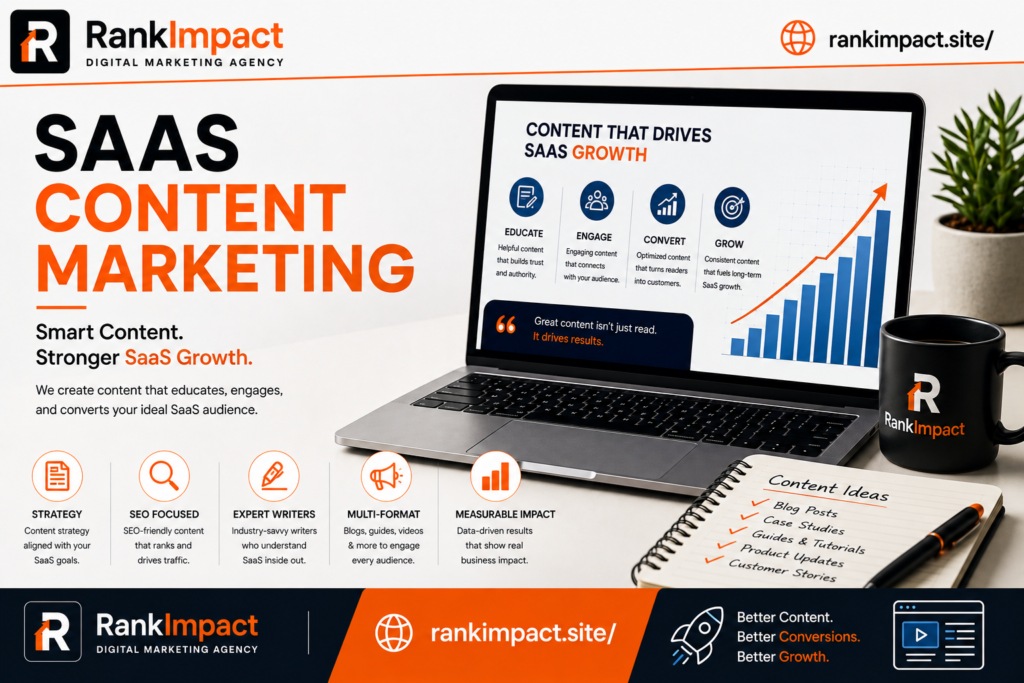
Table of Contents
SaaS Content Marketing A Complete Guide to Growing Your Software Business
Every SaaS company eventually reaches a point where paid acquisition alone cannot sustain growth at a reasonable cost, and that is usually the moment leadership starts taking content seriously. khttps://www.quoleady.com/best-saas-content-marketing-blogs/
has become one of the most reliable long term growth channels in software because buyers of business software research extensively before ever speaking to a sales representative. A well built content program does not just generate traffic. It builds trust with a technical and often skeptical audience, shortens sales cycles by answering objections before they arise, and compounds in value over time in a way paid channels simply do not.
This guide is written for marketing leaders, founders, and content strategists at SaaS companies who want to understand what actually drives results in this space rather than repeating generic advice that ignores how software buyers actually behave. Readers researching this topic typically include early stage founders trying to build a content function from scratch, marketing managers looking to improve an underperforming existing program, and content specialists who understand writing but need a clearer picture of how content ties to SaaS specific metrics like trial signups and expansion revenue. This article addresses all three by covering strategy, execution, and measurement in depth.
What Makes SaaS Content Marketing Different
SaaS content marketing differs from content marketing in most other industries because the buying process is longer, more research intensive, and often involves multiple stakeholders within the purchasing company. A single piece of content rarely closes a deal. Instead, effective SaaS content works as part of a longer nurture sequence where a potential buyer might read a comparison article, later download a guide, eventually attend a webinar, and only then request a demo weeks or months after the first interaction.
The audience is also typically more technically literate and skeptical of marketing language than consumer audiences, which means content that leans on vague superlatives or unsubstantiated claims tends to underperform compared to content grounded in specifics, data, and genuine product expertise. Buyers researching software solutions can usually detect thin or superficial content quickly, and that impression transfers directly to how they perceive the credibility of the product itself.
Finally, SaaS content marketing operates within a subscription business model where the goal extends beyond initial acquisition into retention and expansion. Content aimed at existing customers, such as onboarding guides and advanced use case articles, plays a meaningful role in reducing churn and increasing account value, which is a dimension largely absent from content strategy in transactional business models.
Building a Content Strategy Rooted in Buyer Intent
Effective SaaS content marketing begins with mapping content directly to the stages of the buyer journey rather than producing content based purely on internal ideas about interesting topics. Top of funnel content addresses broad problems your target audience faces, often without mentioning your product directly, and exists primarily to build awareness and demonstrate expertise. Middle of funnel content narrows toward specific solutions and often includes comparison content, in depth guides, and case studies that help a prospect evaluate options seriously. Bottom of funnel content directly supports the final decision, including detailed product pages, pricing explanations, and customer success stories that reduce remaining hesitation before a purchase.
Keyword research should inform this strategy but should never become the sole driver of topic selection. Understanding what your ideal customer profile actually struggles with, gathered directly from sales calls, support tickets, and customer interviews, consistently produces stronger content ideas than keyword tools alone, since search volume data cannot tell you which problems matter most to the specific segment you are trying to reach.
Competitive content analysis remains valuable but should focus on identifying genuine content gaps rather than simply matching what competitors have already published. If every competitor in your space has written a surface level article on a broad topic, there is a real opportunity in producing something meaningfully deeper that addresses the nuances practitioners actually encounter rather than adding another shallow entry to an already crowded topic.
Content Formats That Perform Well for SaaS Companies
Long form educational guides that thoroughly address a specific problem tend to perform exceptionally well for SaaS companies because they build topical authority while serving genuine reader need, particularly when a topic touches on complex workflows where readers are actively searching for comprehensive answers rather than quick tips.
Comparison and alternative pages address searches from buyers actively evaluating multiple tools, and these pages convert unusually well because the reader is already deep in an active buying process rather than early stage research. Writing these honestly, acknowledging genuine competitor strengths rather than dismissing them, builds far more credibility than one sided comparisons that readers quickly recognize as biased marketing content.
Customer case studies remain one of the most persuasive content formats in SaaS specifically because they provide social proof from a similar type of buyer facing a similar problem, and detailed case studies that include specific metrics and honest discussion of implementation challenges consistently outperform vague success story templates.
Original research and data driven content, such as industry benchmark reports or survey findings, generates strong backlink activity and media attention that few other content formats achieve, since journalists and other content creators actively seek original data to reference rather than recycling existing information.
Product led content, including detailed feature explanations and use case walkthroughs, supports users already in a trial or evaluation period by helping them understand how to actually apply the product to their specific situation, which directly influences trial to paid conversion rates.
Common Mistakes in SaaS Content Marketing
One of the most frequent mistakes is producing content exclusively focused on the product itself rather than the broader problems and workflows the product exists within. Readers researching a problem are rarely ready to read purely promotional content, and articles that pivot too quickly into product pitches tend to lose reader trust and abandon the educational value that initially attracted them.
Inconsistent publishing cadence undermines many otherwise well intentioned content programs. Content marketing compounds over time, and a program that publishes intensively for a few months before going dormant loses the momentum needed to build meaningful search visibility and audience trust. A sustainable, even modest, consistent cadence outperforms sporadic bursts of high volume publishing followed by long gaps.
Many SaaS companies also neglect updating existing content after publication, treating each article as a finished project rather than a living asset that requires periodic refreshing as the product evolves, competitors change, and search intent shifts. Older high performing articles that go stale gradually lose rankings, and a regular content audit identifying pages needing updates often produces faster results than producing entirely new content.
Failing to align content marketing with sales and customer success teams represents another significant gap. Content teams operating in isolation from the frontline teams talking to customers daily miss enormously valuable insight into actual objections, common questions, and language customers use, all of which should directly inform content topics and messaging.
Finally, many companies measure content success using vanity metrics like page views alone rather than metrics tied to actual business outcomes such as trial signups, demo requests, or influenced pipeline, which makes it difficult to demonstrate content’s actual contribution to revenue and can lead to premature program cuts during budget reviews.
Distribution Strategies Beyond Search Engine Optimization
While organic search remains a primary channel for most SaaS content programs, relying exclusively on search traffic creates unnecessary vulnerability to algorithm changes and leaves substantial reach on the table. Email newsletters distributed to an existing subscriber base extend the life of each piece of content well beyond its initial publication and help nurture prospects who are not yet ready to buy.
Community engagement within platforms where your target audience already gathers, whether industry specific forums, professional communities, or relevant social platforms, allows content to reach audiences who may never encounter it through search alone, provided the engagement feels genuinely helpful rather than promotional.
Strategic partnerships with complementary companies serving the same audience, through guest content exchanges or co created resources, expose your content to an already qualified audience that trusts the partner’s recommendation, often producing higher quality traffic than cold organic discovery alone.
Paid promotion of your strongest performing content, even at a modest budget, can accelerate initial traction for pieces that show early organic promise, helping content reach the audience and engagement signals needed to compete for competitive search rankings faster than waiting for organic growth alone.
Measuring the Impact of SaaS Content Marketing
Meaningful measurement requires connecting content performance to metrics that matter to the broader business rather than stopping at surface level traffic numbers. Tracking which content pieces influence trial signups or demo requests, using attribution models appropriate to your typical sales cycle length, provides a much clearer picture of actual business impact than organic traffic alone.
Engagement quality metrics, including average time on page and scroll depth, help distinguish between content that genuinely satisfies reader intent and content that attracts clicks but fails to deliver real value, which search engines increasingly account for when determining long term rankings.
For content specifically targeting existing customers, tracking correlation between content consumption and reduced churn or increased expansion revenue demonstrates a dimension of content value that pure acquisition focused reporting misses entirely, and this data often proves persuasive when advocating for continued content investment during budget discussions.
Search visibility tracking across your core topic areas, rather than monitoring individual keyword rankings in isolation, provides a better indicator of growing topical authority over time, since search engines increasingly reward comprehensive coverage of a subject area rather than isolated optimization around individual search terms.
Building Topical Authority Over Time
Search engines increasingly favor websites that demonstrate comprehensive expertise across an entire topic area rather than isolated high quality individual articles scattered across unrelated subjects. Building genuine topical authority in SaaS content marketing means systematically covering the full breadth of a subject area your audience cares about, with clear internal linking connecting related articles into a coherent resource rather than a disconnected collection of blog posts.
This approach also compounds in effectiveness over time because each new piece of content benefits from the established authority and internal linking structure already built by previous content, making topical clusters increasingly efficient to rank as they grow rather than each new piece starting from zero authority independently.
Frequently Asked Questions
What is SaaS content marketing?
SaaS content marketing is the practice of creating educational and informative content specifically designed to attract, engage, and convert software buyers throughout a typically long and research intensive purchasing process.
How is SaaS content marketing different from ecommerce content marketing?
SaaS content marketing addresses longer sales cycles, multiple stakeholders, and technically sophisticated buyers, and extends beyond acquisition into retention and expansion content for existing customers, unlike the primarily transactional focus common in ecommerce content.
How often should a SaaS company publish new content?
Consistency matters more than raw volume, and most successful programs maintain a sustainable weekly or biweekly cadence rather than publishing intensively in bursts followed by long periods of inactivity.
What content format converts best for SaaS companies?
Comparison and alternative pages typically convert at the highest rate because they capture readers already deep in an active evaluation process, though long form educational guides drive the most overall traffic and topical authority.
Should SaaS companies update old content or only create new content?
Regularly updating existing high performing content often produces faster measurable results than creating new content, since refreshed articles can recover lost rankings and improve conversion without needing to build authority from scratch.
How does content marketing support customer retention in SaaS?
Content aimed at existing customers, including onboarding guides and advanced use case articles, helps users extract more value from the product, which directly correlates with reduced churn and increased account expansion over time.
What metrics matter most for measuring SaaS content marketing success?
Metrics tied to business outcomes, such as content influenced trial signups and pipeline, matter significantly more than surface level traffic numbers alone, since traffic without business impact does not justify continued investment.
How long does it take to see results from SaaS content marketing?
Meaningful organic results typically take six to twelve months to materialize given the time required to build topical authority and rank competitively, though earlier wins are possible through distribution channels beyond search alone.
Does SaaS content marketing still work without a large budget?
Yes, since consistency and genuine subject matter expertise matter more than budget size, and many successful SaaS content programs began with a single dedicated writer producing consistently rather than a large team.
How should content teams work with sales teams in a SaaS company?
Content teams should regularly gather insight from sales calls and customer conversations to inform topic selection and messaging, since frontline teams often understand actual buyer objections and language far better than content teams working in isolation.
Conclusion
SaaS content marketing succeeds when it is built around genuine buyer research rather than internal assumptions about interesting topics, executed with consistency rather than sporadic bursts, and measured against real business outcomes rather than surface level traffic metrics. Companies that treat content as a long term compounding asset, connected across a coherent topical structure and continually refreshed as the market evolves, consistently outperform those chasing short term traffic spikes with disconnected, one off articles.
Key Takeaways
SaaS content marketing requires mapping content to distinct buyer journey stages rather than producing content based purely on internal preference. Comparison pages and case studies tend to convert particularly well because they reach buyers already deep in an active evaluation process. Common mistakes include product focused content that ignores genuine reader problems, inconsistent publishing, and neglecting to update existing content over time. Measuring success against business outcomes like trial signups and pipeline influence matters far more than tracking page views alone. Building genuine topical authority through comprehensive, internally linked coverage of a subject area compounds in effectiveness over time far more than isolated individual articles.