Discover 7 key steps to choosing the right SaaS SEO services partner, including what to look for, common mistakes, and pricing tips.
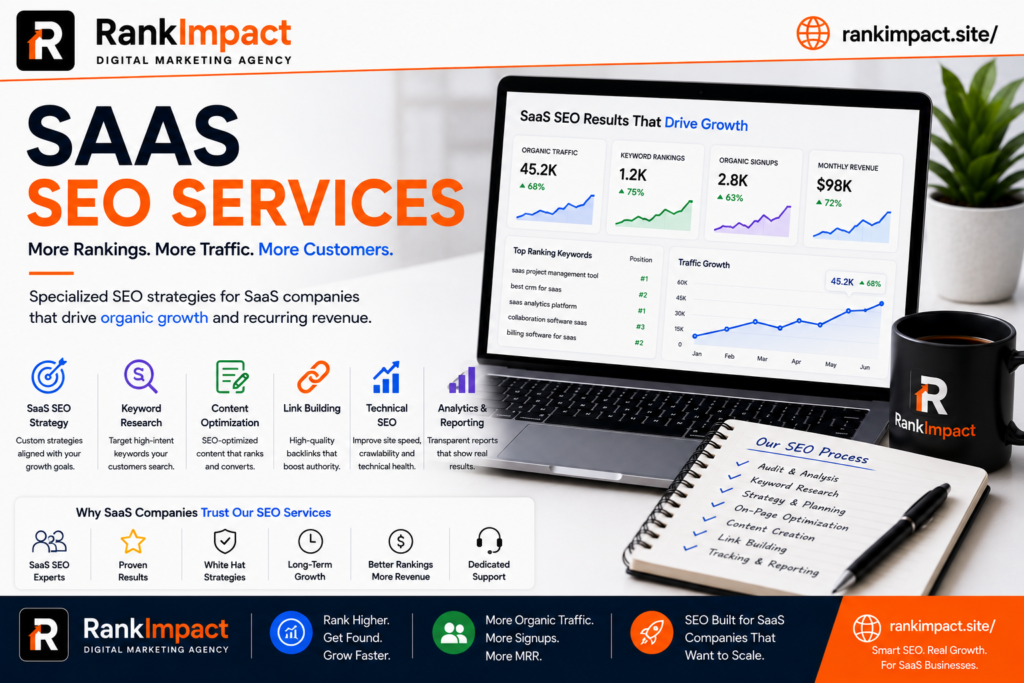
Table of Contents
SaaS SEO Services A Complete Guide to Choosing the Right Partner
Choosing between building an internal SEO function and hiring outside help is a decision nearly every growing SaaS company eventually faces, and it rarely has an obvious answer. SaaS SEO services occupy a specific niche within the broader digital marketing industry because ranking a software product involves technical considerations, buyer research patterns, and content depth requirements that differ meaningfully from SEO work in most other industries. A generalist agency comfortable optimizing an ecommerce product page or a local business listing often struggles when asked to build topical authority around a complex software category with a long, research intensive sales cycle.
This guide is written for founders, marketing leaders, and growth teams evaluating whether to bring in SaaS SEO services and, if so, how to actually choose a partner that will deliver genuine results rather than vanity traffic metrics. Readers researching this topic typically fall into a few groups. Some are early stage founders trying to understand what SaaS SEO services actually include before committing budget. Others are marketing leaders who have already tried a generalist agency without success and are trying to understand what a specialized provider does differently. And some are evaluating multiple SaaS SEO services providers and need a framework for comparing them meaningfully. This article addresses all three in depth.
What SaaS SEO Services Actually Include
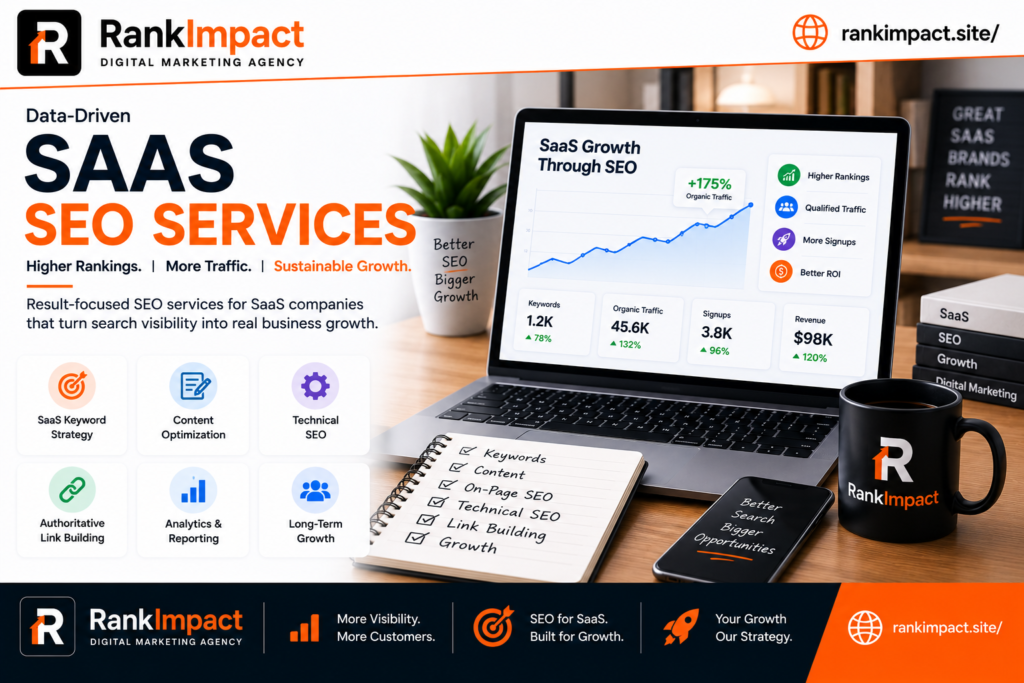
SaaS SEO services typically cover a combination of strategic, technical, and content focused work specifically tailored to how software buyers research and evaluate products. This usually begins with keyword and topic research grounded in actual buyer intent rather than generic search volume, since a term with high search volume but low genuine buying intent often wastes resources that would be better spent targeting more specific, lower volume terms closer to an actual purchase decision.
Technical SEO work forms another core component, addressing site architecture, page speed, structured data, and crawlability issues that specifically affect how search engines index and understand a SaaS company’s often large and complex website, which frequently includes a marketing site, a documentation section, a blog, and sometimes a separate help center all needing to work together cohesively from a technical indexing standpoint.
Content strategy and production represents the most visible component of most SaaS SEO services, encompassing everything from top of funnel educational content to bottom of funnel comparison and product pages designed to convert readers already deep in an evaluation process. Link building and digital PR often round out a comprehensive service offering, since earning genuine authoritative backlinks remains one of the more difficult but impactful levers within any competitive SEO strategy.
Why SaaS Companies Need a Specialized Approach
Software buyers research differently than consumers or buyers in most other B2B categories, typically consuming a longer sequence of content before ever engaging directly with a sales team, often involving multiple stakeholders within the same purchasing company who each research independently before a group decision is made. SaaS SEO services built around this reality structure content specifically to support this extended, multi stakeholder research process rather than optimizing purely for a single conversion moment.
The competitive landscape within most software categories has also grown considerably more sophisticated, with well funded competitors regularly publishing detailed comparison content, in depth guides, and product led content specifically designed to intercept buyers at every stage of research. Generic SEO tactics that might work adequately in a less competitive industry frequently underperform significantly against this level of sophistication, which is precisely why specialized SaaS SEO services focused specifically on software company growth have become a distinct category within the broader agency landscape.
Search intent within software categories also carries unique complexity, since a single keyword can represent meaningfully different intent depending on subtle phrasing, and providers experienced specifically with SaaS companies tend to recognize these distinctions more reliably than generalist providers accustomed to industries with more straightforward, transactional search behavior.
Core Deliverables to Expect From a Quality Provider
A genuinely comprehensive SaaS SEO services engagement typically begins with a thorough technical and content audit identifying specific gaps and opportunities rather than generic recommendations that could apply to nearly any website. This audit should result in a clear, prioritized roadmap rather than an overwhelming list of every possible improvement without guidance on what actually matters most given the company’s current stage and resources.
Ongoing content production forms the backbone of most engagements, and quality providers typically involve subject matter expertise directly in the process rather than producing generic content written without genuine understanding of the software category or its buyers. This often means structured interviews with a company’s own product and customer success teams to extract genuine expertise that generic freelance writers simply cannot replicate independently.
Regular reporting tied to meaningful business metrics, rather than surface level traffic numbers alone, distinguishes providers genuinely focused on driving pipeline from those primarily focused on demonstrating activity. A provider should be able to clearly connect specific content or technical work to measurable outcomes like organic trial signups or demo requests, even if full attribution remains imperfect given the realistic complexity of a typical SaaS buying journey.
Technical implementation support, not just recommendations, matters considerably as well, since many internal teams lack the bandwidth or specific expertise to implement technical SEO recommendations independently, and a provider willing to work directly within a company’s content management system or alongside its engineering team tends to produce considerably faster and more reliable results than one that simply hands off a list of suggested changes.
How to Evaluate SaaS SEO Services Providers
Reviewing a prospective provider’s own case studies and client results provides useful signal but should be examined critically rather than taken entirely at face value, since traffic growth alone does not necessarily indicate genuine business impact. Asking specifically about how results connected to actual pipeline or revenue for previous SaaS clients reveals considerably more than a chart showing organic traffic climbing over time.
Requesting to speak directly with a current or recent client, ideally one in a similar stage or category to your own company, offers insight that marketing materials alone cannot provide, particularly around how responsive and collaborative the provider actually is once an engagement is underway rather than during the initial sales process when every provider naturally presents its best face.
Evaluating a provider’s own content and organic visibility offers a surprisingly direct signal, since a SaaS SEO services provider that cannot demonstrate strong organic performance for its own website raises legitimate questions about whether they can genuinely deliver that same outcome for a client’s more complex situation.
Understanding exactly who will work on your account day to day, rather than only the senior team members present during the sales process, prevents a common disappointment where impressive initial conversations give way to considerably less experienced staff handling the actual ongoing work once a contract begins.
Common Mistakes Companies Make When Hiring SaaS SEO Services
One of the most frequent mistakes is selecting a provider based primarily on price rather than evaluating genuine fit and experience within the software category specifically, since a lower cost provider lacking real SaaS expertise often ends up costing considerably more in wasted time and missed opportunity than a more expensive specialized provider would have.
Expecting rapid results within the first few months represents another common misstep, since meaningful organic SEO results generally require six to twelve months to materialize even with excellent execution, given how long search engines take to fully recognize and reward genuinely improved topical authority and content depth. Companies that abandon a provider prematurely based on impatience often never see the results that were beginning to build.
Many companies also fail to provide the internal access and collaboration a provider genuinely needs to succeed, treating an external SEO engagement as something that can operate entirely independently without input from product, sales, or customer facing teams who hold genuine expertise the provider needs to produce truly authoritative content rather than surface level material.
Neglecting to align on clear success metrics before an engagement begins creates ongoing friction and unclear expectations later, since a company expecting pipeline impact while a provider is measuring success primarily through traffic growth will inevitably experience a mismatch that becomes apparent only well into the engagement rather than being addressed proactively from the start.
In House SEO Versus Hiring SaaS SEO Services
Deciding between building an internal team and hiring an external provider depends considerably on company stage, budget, and how central organic growth is to the overall growth strategy. Very early stage companies often lack sufficient budget to hire a full internal team while simultaneously lacking sufficient content volume to fully occupy an outside agency’s typical retainer, making a smaller specialized freelancer or boutique provider a more practical starting point than either extreme.
Companies at a more established growth stage frequently find that a hybrid model works best, maintaining a smaller internal team responsible for strategy and internal subject matter coordination while outsourcing specific execution work like technical implementation or content production volume to specialized SaaS SEO services providers who can scale output more flexibly than hiring additional full time staff.
Larger, well resourced companies sometimes eventually build a fully internal team once organic growth has proven itself as a genuinely core growth channel worth dedicated permanent investment, though even at this stage many continue supplementing internal capacity with specialized outside expertise for specific technical audits or competitive analysis work that benefits from an outside perspective.
Pricing Models and Budget Expectations
SaaS SEO services pricing varies considerably depending on scope, provider experience level, and whether an engagement includes content production volume or focuses primarily on strategy and technical work. Monthly retainer models remain the most common structure, typically scaling based on the volume of content produced and the depth of ongoing technical and strategic involvement included within the engagement.
Project based pricing sometimes applies to discrete work like a comprehensive technical audit or a content migration project with a clearly defined scope and endpoint, though most SaaS companies benefit more from an ongoing retainer relationship given how much organic SEO results depend on sustained, consistent effort over an extended period rather than a single discrete project.
Companies should approach unusually low pricing with healthy skepticism, since genuinely effective SaaS SEO services require meaningful time investment from experienced practitioners, and pricing significantly below typical market rates often indicates either less experienced staff, production heavy content mills prioritizing volume over genuine quality, or unsustainable business practices that eventually affect service quality as a provider scales.
Questions to Ask Before Signing a Contract
Asking directly what specific SaaS categories a provider has worked within previously reveals whether their experience genuinely transfers to your own company’s situation, since expertise gained working with consumer subscription apps does not necessarily transfer smoothly to complex B2B software with a considerably longer and more technical buying process.
Understanding exactly how content topics get selected and approved throughout an engagement clarifies how much internal involvement will genuinely be required, preventing a mismatch where a company expects a provider to work entirely independently while the provider actually expects significant ongoing internal collaboration to produce genuinely authoritative content.
Clarifying what happens to content and any accumulated organic assets if the engagement ends helps avoid an unpleasant surprise later, since some providers structure contracts in ways that complicate a company’s ability to continue benefiting from work already completed after a relationship concludes.
Frequently Asked Questions
What do SaaS SEO services typically include?
SaaS SEO services typically include keyword and topic research grounded in buyer intent, technical SEO work, content strategy and production, and link building specifically tailored to how software buyers research and evaluate products.
How much do SaaS SEO services typically cost?
Pricing varies considerably based on scope and provider experience, though most SaaS companies should approach unusually low pricing with skepticism since genuinely effective work requires meaningful time investment from experienced practitioners.
How long does it take to see results from SaaS SEO services?
Meaningful organic results typically take six to twelve months to materialize, even with excellent execution, given how long search engines take to fully recognize genuinely improved topical authority and content depth.
Should an early stage SaaS startup hire SaaS SEO services or build an internal team?
Early stage companies often benefit most from a smaller specialized freelancer or boutique provider, since they typically lack sufficient budget for a full internal team while also lacking enough content volume for a large outside agency retainer.
What makes SaaS SEO services different from general SEO services?
SaaS SEO services address the longer, multi stakeholder buying process, technical complexity, and competitive content sophistication specific to software categories, requiring genuine category expertise that generalist providers often lack.
How can a company evaluate whether a SaaS SEO services provider is genuinely effective?
Companies should review case studies critically, speak directly with current or recent clients, and examine the provider’s own organic visibility as a direct signal of whether they can genuinely deliver similar results.
Do SaaS SEO services include technical implementation or only recommendations?
Quality providers typically offer direct implementation support rather than only recommendations, since many internal teams lack the bandwidth to execute technical SEO changes independently.
What is the biggest mistake companies make when hiring SaaS SEO services?
The biggest mistake is selecting a provider based primarily on price rather than genuine SaaS specific experience, since a cheaper but less specialized provider often costs more in wasted time and missed opportunity.
Can a hybrid model combining internal staff and outside SaaS SEO services work well?
Yes, many established growth stage companies find a hybrid model effective, maintaining internal strategy and subject matter coordination while outsourcing execution and content volume to a specialized provider.
What should be clarified before signing a contract with a SaaS SEO services provider?
Companies should clarify prior category specific experience, how content topics get selected and approved, and what happens to accumulated content and organic assets if the engagement ends.
Conclusion
Choosing among available SaaS SEO services providers requires looking well beyond a polished pitch deck toward genuine category specific experience, transparent reporting tied to real business outcomes, and a collaborative approach that treats a company’s own product and customer expertise as essential to producing content that actually deserves to rank. Companies that invest the time to evaluate providers rigorously, set realistic timeline expectations, and maintain genuine internal collaboration throughout an engagement consistently see stronger, more sustainable results than those that treat outside SEO help as a hands off solution requiring no meaningful internal involvement.
Key Takeaways
SaaS SEO services differ meaningfully from general SEO work due to longer buying cycles, multiple stakeholders, and considerably more sophisticated competitive content within most software categories. A comprehensive engagement should include technical implementation support, not only strategic recommendations left for an internal team to execute independently. Evaluating a provider’s own organic visibility and speaking directly with current clients reveals considerably more than marketing materials or case studies alone. Meaningful results typically require six to twelve months, and companies that abandon a provider prematurely often never see results that were genuinely beginning to build. A hybrid model combining internal strategic ownership with outsourced execution frequently works best for companies at a more established growth stage.